

In manufacturing environments, supervisors are the closest link between workforce strategy and daily operations. While recruitment, compliance, and workforce planning are typically managed at higher organizational levels, it is supervisors who translate these decisions into real outcomes on the production floor. Their role becomes even more critical when managing foreign industrial workers, where communication, adaptation, and cultural differences add layers of complexity to everyday supervision.
For many manufacturers, performance issues among foreign workers are often attributed to skill gaps, language barriers, or adaptation challenges. In practice, however, these issues are frequently shaped by how supervision is structured. Clear instructions, consistent feedback, predictable routines, and fair treatment have a direct impact on how quickly workers adapt, how safely they operate, and how reliably they perform across shifts.
Supervisors operate under constant pressure: meeting production targets, maintaining safety standards, managing absences, and resolving issues in real time. When foreign workers are part of the team, supervisors also become informal coordinators, translators, and problem-solvers - often without additional support or resources. This expanded role can either stabilize operations or become a hidden point of failure if expectations are unrealistic.
This article examines how supervisors shape the performance of foreign industrial workers in practice. It explores the mechanisms through which line-level leadership influences productivity, safety, and retention, and why supporting supervisors is essential for manufacturers that rely on foreign workforce models to maintain stable and efficient operations.
Supervisors as the Primary Performance Interface on the Production Floor

In industrial environments, supervisors are the primary interface through which workforce performance is shaped. While recruitment decisions, staffing models, and compliance frameworks are defined at organizational level, it is supervisors who translate these structures into daily execution. Their instructions, expectations, and reactions determine how foreign workers actually perform once they step onto the production floor.
For foreign industrial workers, supervision carries even greater weight. Language differences, unfamiliar workflows, and new safety standards mean that workers rely heavily on supervisors to interpret what “good performance” looks like in practice. When supervision is clear and consistent, workers adapt faster, make fewer mistakes, and integrate more smoothly into existing teams. When supervision is unclear or inconsistent, even skilled workers struggle to meet expectations.
Supervisors also act as informal coordinators between production requirements and workforce realities. They are often the first to notice early warning signs: confusion, fatigue, disengagement, or communication breakdowns. How supervisors respond to these signals - whether they clarify expectations, escalate issues, or ignore them - has a direct impact on productivity and stability across shifts.
How supervisors directly influence foreign worker performance
- clarity and structure of daily task instructions
- consistency in enforcing rules and quality standards
- approach to correcting mistakes and providing feedback
- ability to recognize early adaptation difficulties
- coordination with HR, workforce partners, or on-site support
- management of workload balance and shift expectations
When supervisors are left to handle all of these responsibilities alone, their effectiveness becomes a limiting factor. Without structured support and clear processes, supervision turns reactive. This is where performance variability emerges - not because workers are unreliable, but because the system relies too heavily on individual supervisors to absorb complexity that should be shared across workforce management structures.
Supervisors do not simply oversee work - they define how workforce strategies materialize on the production floor. Supporting supervisors is essential for turning foreign workforce supply into consistent performance.
Where Supervision Breaks Down: The Hidden Load Supervisors Carry
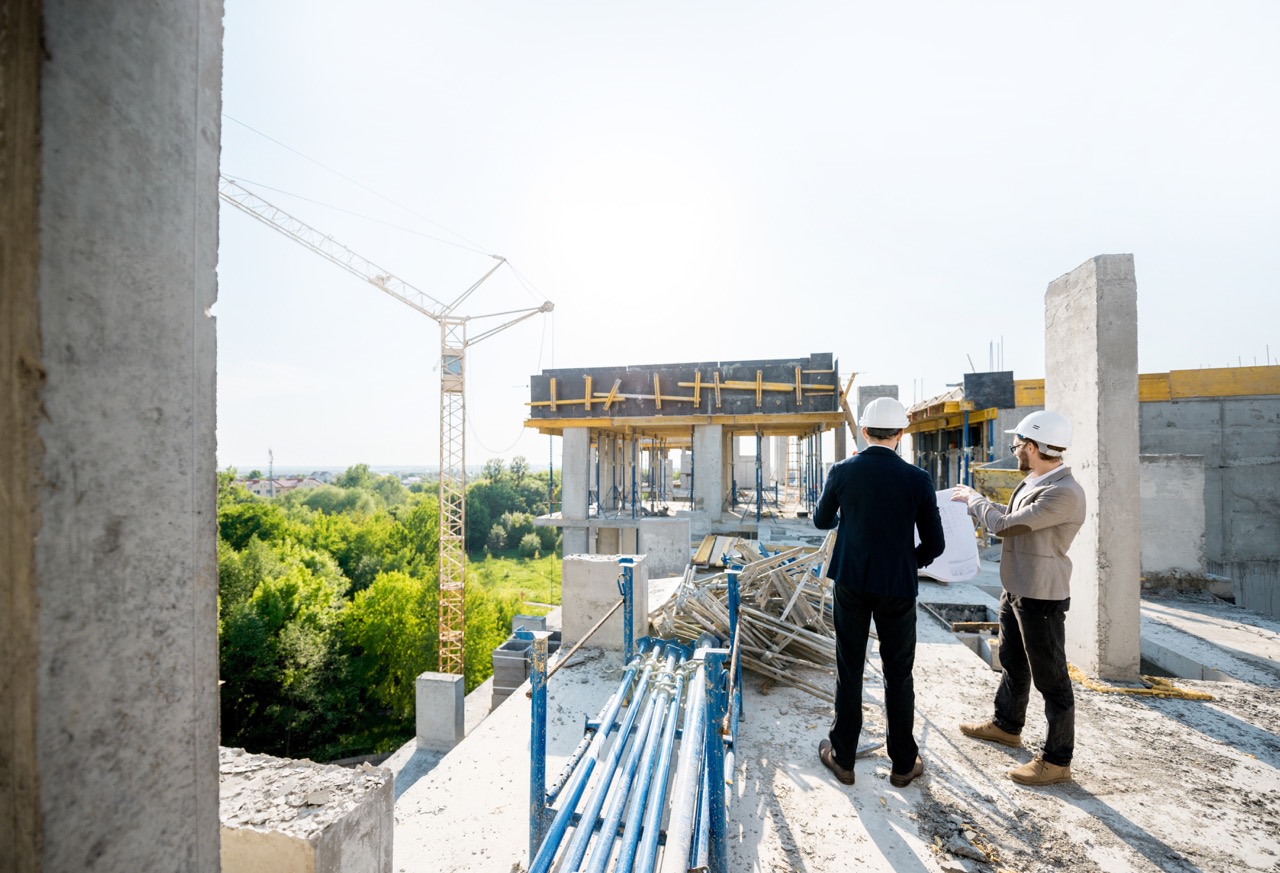
Supervisors are often expected to “make it work” regardless of circumstances. In teams that include foreign workers, this expectation expands far beyond production oversight. Supervisors become translators of procedures, mediators of misunderstandings, and first responders to adaptation issues - all while meeting output targets and safety standards. When this hidden load is not acknowledged or supported, supervision quality becomes inconsistent, and performance begins to fluctuate.
The breakdown usually does not happen because supervisors lack skill or commitment. It happens because they are forced to absorb responsibilities that sit outside their core role: resolving housing or transport issues, clarifying documentation-related absences, managing sudden replacements, or addressing communication gaps that originate beyond the production floor. Each interruption fragments attention and reduces the supervisor’s ability to maintain consistent standards across shifts.
Most performance issues attributed to workers actually originate upstream - in unclear processes and unsupported supervision.
Over time, this overload leads to predictable outcomes. Instructions become shorter and less precise. Feedback turns reactive. Small issues are postponed instead of resolved. For foreign workers, these signals create uncertainty about expectations and fairness, which directly affects motivation, safety behavior, and retention.
Common pressure points that overload supervisors
- handling non-operational issues during active shifts
- managing communication gaps without translation or coordination support
- reacting to last-minute absences or replacements
- compensating for unclear onboarding or documentation delays
- balancing production targets with unplanned problem-solving
- serving as the sole escalation point for workforce-related concerns
When supervisors operate under constant interruption, performance variability increases across teams and shifts. The issue is not supervision itself, but the lack of a support structure that separates operational leadership from administrative and adaptation-related execution.
Supervision fails not because supervisors are ineffective, but because they are expected to carry the full weight of workforce complexity without structured support.
Supporting Supervisors to Unlock Stable Performance at Scale

When supervisors are properly supported, their role shifts from constant problem-solving to structured leadership. Instead of reacting to issues as they arise, supervisors can focus on maintaining standards, guiding teams, and ensuring consistent execution across shifts. For manufacturers relying on foreign workers, this shift is critical to achieving stable performance at scale.
Effective support does not mean removing authority from supervisors. It means redefining boundaries between operational leadership and workforce administration. When coordination, documentation follow-ups, adaptation issues, and logistics are handled through dedicated workforce management structures, supervisors gain time and clarity. This allows them to communicate expectations more effectively, monitor performance consistently, and address issues before they escalate.
Support also improves alignment. Supervisors who have clear points of contact and predictable processes are better positioned to plan ahead. They know when replacements are arriving, how absences will be handled, and where to escalate non-operational issues. This predictability reduces frustration on the shop floor and creates a more stable environment for foreign workers to integrate and perform.
What effective supervisor support typically enables
- consistent communication of tasks and standards across shifts
- fewer interruptions during active production hours
- faster resolution of non-operational workforce issues
- clearer escalation paths for adaptation or coordination challenges
- improved focus on safety, quality, and output
- more balanced workload for supervisors and team leaders
As support structures mature, performance becomes less dependent on individual supervisors and more resilient across teams. The organization benefits from reduced variability, improved retention, and stronger safety outcomes - not because supervision is replaced, but because it is reinforced by systems designed to manage complexity.
Sustainable foreign workforce performance is achieved when supervisors are supported by structured workforce management, allowing leadership on the line to focus on execution rather than absorbing complexity.
Conclusion: Strong Supervision Turns Workforce Supply Into Workforce Performance
In manufacturing environments, the effectiveness of foreign workforce models is ultimately determined on the production floor. While recruitment, compliance, and workforce planning establish the framework, it is supervision that converts these elements into real performance. When supervisors are unsupported, even well-structured workforce solutions struggle to deliver consistent results.
This article has shown that supervisors play a decisive role in shaping productivity, safety, and workforce stability. Their ability to communicate clearly, enforce standards consistently, and respond effectively to challenges depends not only on individual capability, but on the systems that surround them. When supervisors are forced to manage administrative complexity and adaptation issues alongside operational leadership, performance variability becomes inevitable.
By contrast, when supervisors are supported through structured coordination, clear processes, and dedicated workforce management, their impact multiplies. They gain the time and clarity needed to lead teams effectively, foreign workers integrate more quickly, and operations become more predictable across shifts. The result is not just better supervision, but a more resilient and scalable workforce model.
For manufacturers relying on foreign labor, investing in supervisor support is not an optional improvement. It is a prerequisite for turning workforce supply into sustained operational performance.